Seasonal changes impact various aspects of our lives, from our wardrobe choices to how we maintain our homes. When it comes to garage doors, the materials chosen initially can significantly influence performance rates throughout the changing seasons. Understanding this relationship is essential for homeowners looking to enhance their garage door's longevity and functionality.
The Importance of Material Selection
Selecting the right materials for your garage door is critical. This choice not only affects durability but also influences maintenance needs over time. For instance, steel doors offer strength and security but can be prone to rust in humid conditions if not adequately protected with paint or a weatherproof coating. Wood doors provide aesthetic appeal but may warp or crack when exposed to extreme temperatures without proper sealing.
This consideration becomes even more crucial when seasonal changes come into play. Different materials interact uniquely with varying environmental conditions such as temperature fluctuations, humidity levels, and precipitation patterns. Therefore, understanding these interactions helps homeowners make informed decisions during garage door installation in Lincoln or any other area facing distinct seasonal shifts.
Seasonal Performance Factors
Garage doors face unique challenges depending on the season. Each season presents its own set of circumstances that can affect how well a door performs.
Winter: Cold temperatures can lead to contraction of materials, potentially causing gaps that allow drafts and moisture ingress. If your garage door is made from steel without sufficient insulation, you might experience increased energy costs as your heating system works harder against the cold outside.
Spring: The melting snow and rain typical of spring can exacerbate issues like rust with metal doors or mold growth on wooden surfaces if not properly maintained. Choosing materials treated for moisture resistance can extend the lifespan of your garage door during this season.
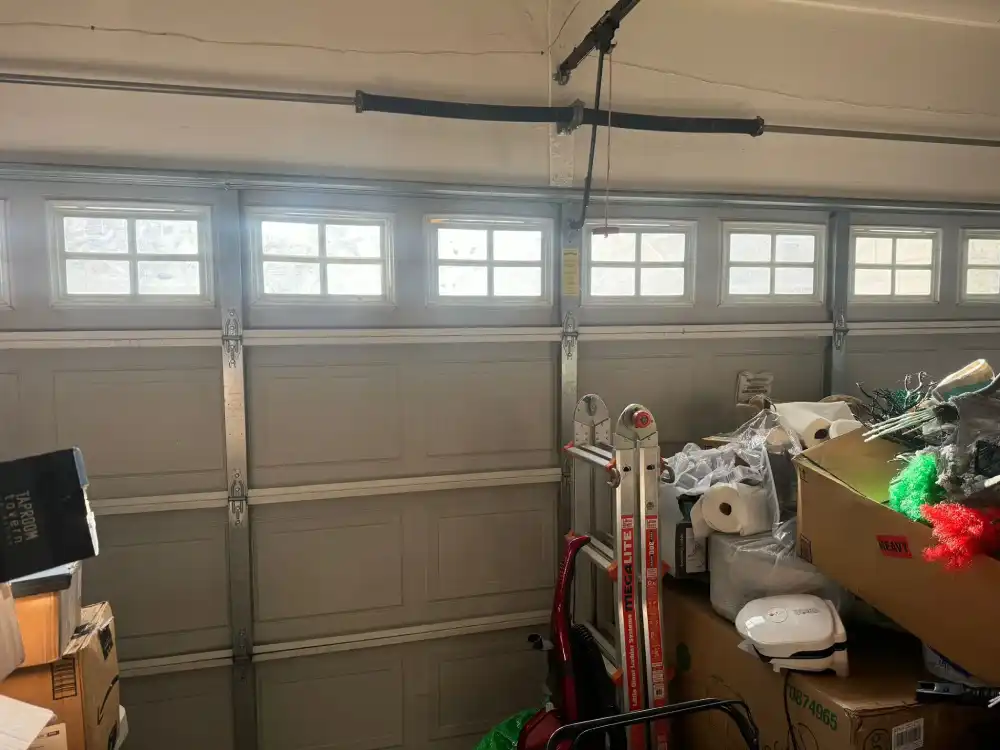
Summer: High temperatures can cause expansion in materials, which may lead to misalignment issues in garage doors not properly installed or fitted. Wooden doors especially require attention during hotter share.google months since they can dry out and shrink without adequate maintenance.
Fall: As leaves fall and weather starts to cool down, debris buildup around your door can impede functionality. Regular cleaning and maintenance become vital here; otherwise, an accumulation of leaves could block sensors or create additional strain on the door's mechanisms.
Practical Considerations for Homeowners
When considering installations or repairs—like those offered by Garage Door Doctor'Z in Lincoln—it's wise to think about both immediate performance and long-term durability based on seasonal changes.
Insulation Matters: Insulated garage doors are beneficial year-round but particularly important in areas with extreme temperatures. Insulation helps regulate internal temperatures while preventing energy loss.
Weatherproofing Techniques: Applying weatherstripping around the edges of the door prevents drafts and reduces wear on hardware components during cold months.
Regular Maintenance Schedule: Establishing a regular maintenance schedule enables early identification of issues before they become significant problems exacerbated by seasonal shifts.
Choosing Durable Finishes: Opt for finishes resistant to UV rays if you live in sunny climates; these prevent fading while offering protection against moisture damage in wetter seasons.
Professional Consultation: Engaging professionals familiar with local climate impacts ensures you select appropriate materials tailored to withstand specific seasonal challenges.
Case Studies: Real-Life Implications
Exploring real-life scenarios highlights how material choices directly impact performance throughout different seasons:
Example 1: Steel vs Wood A homeowner installed a steel garage door expecting durability and low maintenance costs. However, after several winters, they noticed rust forming along seams due to inadequate protective paint application leading them to seek local garage door repair services in Lincoln multiple times each year just to address rust issues alone.
In contrast, another homeowner chose a wooden door but invested time into proper sealing techniques before installation—despite being more expensive upfront—their decision proved cost-effective as they faced far fewer repairs related to moisture damage over several years compared to their steel counterpart.
Example 2: Insulation Impact Another case involves two similar houses side by side; one had an insulated garage door while the other did not. Through winter months both experienced similar external temperatures; however, the insulated door kept internal temperatures significantly higher leading residents’ energy bills down by nearly 30 percent compared with their neighbor who opted out of insulation entirely.
These examples illustrate how initial material choices resonate throughout years, affecting not only performance but also long-term value associated with ownership experiences between homeowners across seasons.
Conclusion: Making Informed Decisions
Navigating material selection requires careful consideration beyond aesthetics — it’s about understanding how those choices will perform as seasons change over time. Homeowners should prioritize durability alongside design preferences while anticipating specific challenges posed by environmental factors inherent within their local climate conditions.
For those residing in Lincoln looking at either installing new systems or addressing existing ones through repair services available nearby—such as Garage Door Doctor'Z—embracing knowledge around material choices enhances satisfaction levels throughout ownership periods considerably resulting ultimately leads towards fewer headaches down the road!
Garage Door Doctor'Z
Lincoln, CA 95648
+1 (833) 991-3899
[email protected]
Website: https://doctorzgaragedoor.com